|
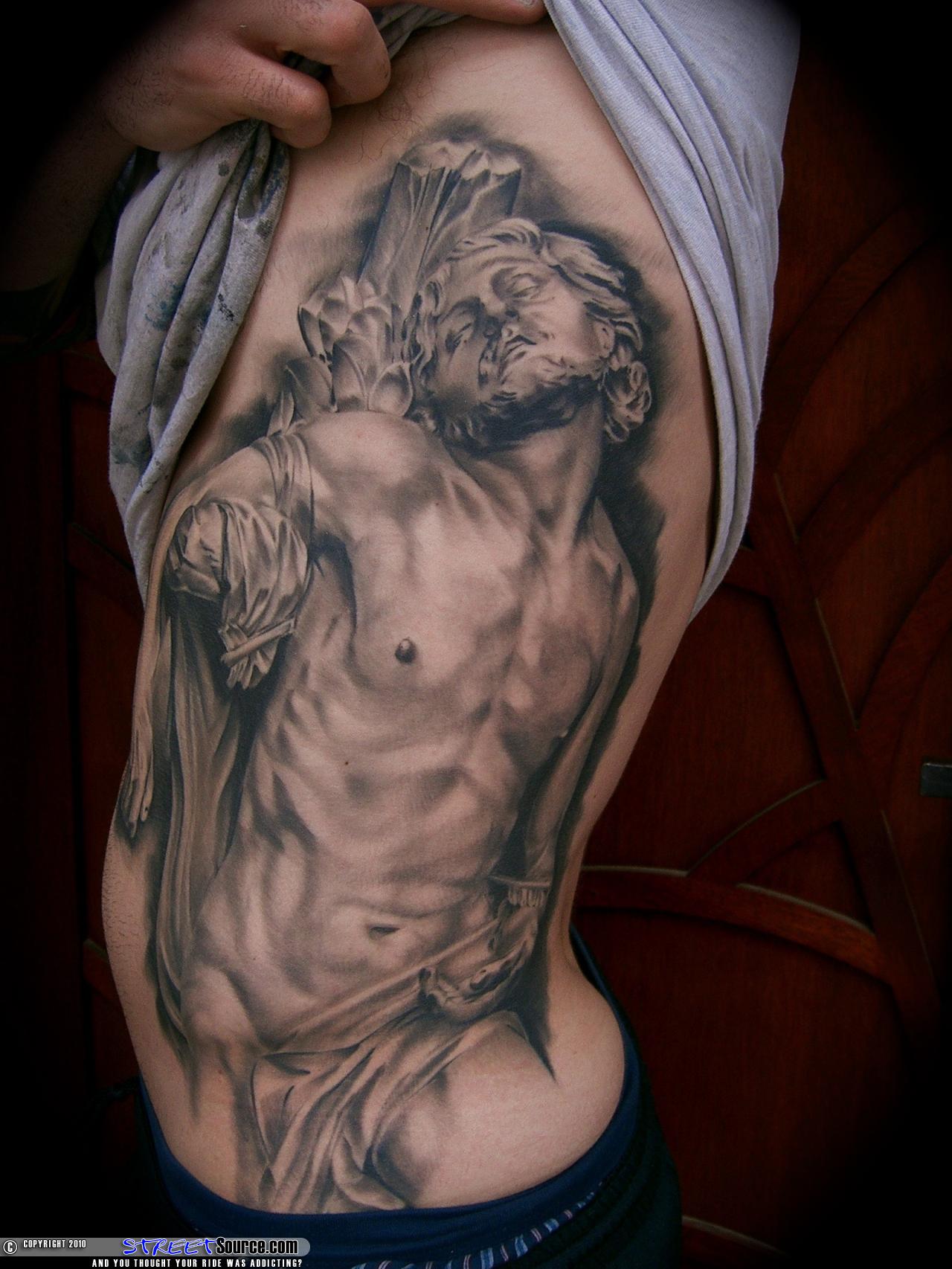
They say history repeats itself. During the 14th century, a major cultural shift began in Italy and would eventually spread throughout most of Europe. Known as the Renaissance, this era brought change to nearly all facets of society, from art to literature to politics. However, with the period ending by the 18th century, a new era, the Enlightenment, would take its place with a focus on challenging traditional ways of thinking regarding customs, institutions, and even morals. Tattooing has also undergone similar changes in the past 20 years. Beginning in the early 1990’s, there was a great change in the attitude of people in regards to tattoos. Previously reserved for your stereotypical outlaws and bikers, tattoos were now being brandished by the likes of “soccer-mom” and nuns. Accordingly, a great number of people aspired to be tattoo artists, who would also bring their own unique styles and techniques to the mix, rapidly improving and changing the way that artists look and approach a tattoo. However, for as many true artists took the opportunity to further their skills, there were twice as many individuals who were looking to make some quick cash, caring little for the artwork they produced. But with the economic downturn in the early 21st century, many of those within the industry that were in it for the wrong reasons were left behind, allowing many of the real artists to continue to prosper and improve their skills. Mason Williams of Cincinnati, Ohio has loved tattoos for as long as he can remember. With a growing interest in art, Williams began getting tattooed while in high school while continuing to hone his own drawing skills. “I got like three tattoos in high school,” Williams says, “mostly because I didn’t have any money.” In the late 1990’s after high school, Williams would continue his passion for art at the University of Cincinnati for a couple of years, but left after it didn’t amount to much.
|
| |